
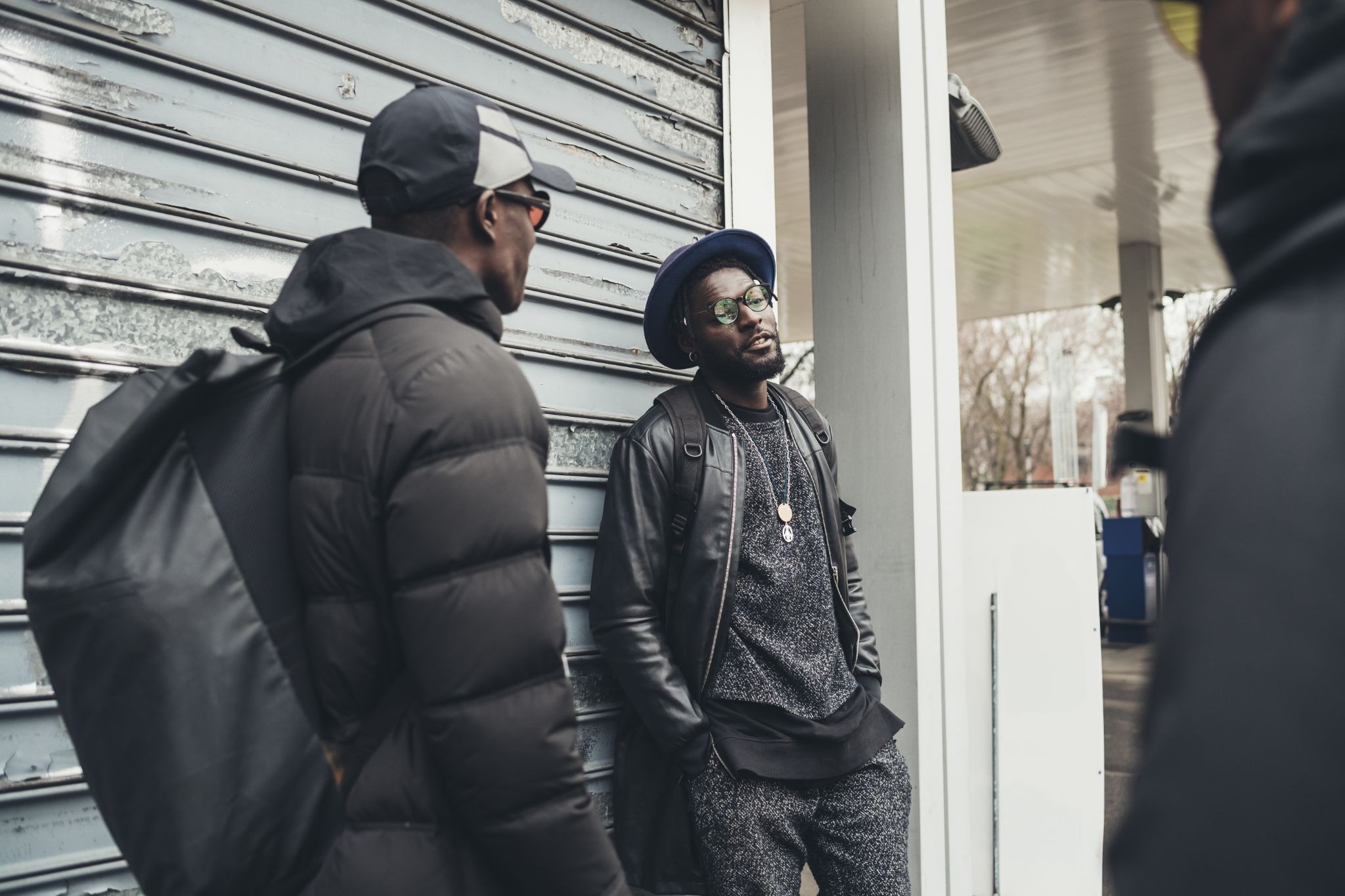
In the ever-evolving world of fashion, limited drops have become a defining feature of streetwear culture. These exclusive releases not only generate buzz but also create a sense of urgency and excitement among consumers. Limited drops refer to the practice of releasing a small quantity of products—often highly sought-after items—within a specific time frame. This strategy has transformed how brands engage with their audience, fostering loyalty while also tapping into the psychology of scarcity. In this blog post, we will explore the evolution of limited drops, the psychology behind them, their mechanics, and their broader impact on streetwear culture.
The Evolution of Limited Drops in Fashion
Historical Background
The origins of limited drops can be traced back to the rise of streetwear in the 1980s and 1990s, a movement that was heavily influenced by skate and hip-hop cultures. Early brands such as Stüssy and Supreme began releasing exclusive items, often in small quantities, to create a sense of uniqueness and appeal to their core audience. Over the years, the concept of limited drops evolved, with brands recognizing the potential to drive demand and enhance brand image through exclusivity. Key milestones, such as collaborations between streetwear brands and high-fashion labels, further propelled this trend into the mainstream.
Influential Brands and Designers
Brands like Supreme, Off-White, and Yeezy have played pivotal roles in popularizing limited drops. Supreme, for example, is renowned for its highly coveted weekly drops, which often sell out within minutes. The brand’s collaboration with high-profile artists and designers has created a cult-like following, demonstrating how successful limited drop campaigns can elevate a brand’s status. These case studies illustrate the effectiveness of limited drops in attracting attention and fostering a dedicated consumer base.
The Psychology Behind Limited Drops
Scarcity and Consumer Behavior
At the heart of limited drops lies the principle of scarcity, a powerful marketing tool that influences consumer behavior. When products are presented as limited in quantity, they become more desirable, triggering a fear of missing out (FOMO) among potential buyers. This psychological phenomenon leads consumers to make impulsive purchasing decisions, often resulting in heightened sales during limited releases. The urgency created by limited drops not only drives immediate sales but also encourages consumers to engage more deeply with the brand.
Building Brand Loyalty
Limited drops also play a crucial role in fostering brand loyalty. By creating exclusive products that resonate with their audience, brands can establish a strong emotional connection with consumers. This sense of exclusivity cultivates loyalty, as consumers feel a deeper affiliation with the brand when they own unique items. Additionally, limited drops can enhance a brand’s perception as a trendsetter, further solidifying its reputation within the streetwear community.
The Mechanics of Limited Drops
Planning and Execution
Organizing a successful limited drop requires careful planning and execution. Brands must consider various factors, including product design, quantity, pricing, and launch timing. A well-executed limited drop often involves strategic marketing efforts that build anticipation before the release. This can include teasers on social media, countdowns, and collaborations with influencers, all designed to create buzz and ensure a successful launch.
Platforms and Channels
The choice of platform for launching limited drops is vital. Many brands opt for their own e-commerce sites, while others leverage popular retail platforms or social media channels. Social media, in particular, plays a significant role in promoting limited edition releases, as it allows brands to engage directly with their audience and create a sense of community around their products. The integration of technology, such as mobile apps and notification systems, has also enhanced the consumer experience, making it easier for fans to stay informed about upcoming drops.
The Impact of Limited Drops on Streetwear Culture
Community and Culture
Limited drops have significantly shaped the community among streetwear enthusiasts. They create a shared experience among fans who eagerly anticipate new releases and engage in discussions about their favorite brands. This communal aspect fosters a sense of belonging, as consumers bond over their shared passion for streetwear. Additionally, limited drops often encourage collaborations between brands and artists, further enriching the culture and promoting creativity within the community.
Resale Market Dynamics
The rise of limited drops has also contributed to the evolution of the resale market for streetwear. Items released in limited quantities often become highly sought after, leading to inflated resale prices on platforms like StockX and Grailed. This dynamic has transformed how consumers view the value of streetwear, as limited drops not only serve as fashion statements but also as investment opportunities. The interplay between scarcity and resale value underscores the economic impact of limited drops in streetwear culture.
Challenges and Criticisms of Limited Drops
Accessibility Issues
Despite the excitement surrounding limited drops, there are significant accessibility issues that need to be addressed. The exclusivity of these releases can create barriers for many consumers, particularly those from diverse backgrounds who may not have the means to compete for high-demand items. This exclusivity can lead to feelings of frustration and alienation among fans who are unable to access coveted products. Brands must consider these challenges and strive for more inclusive practices that allow a broader audience to participate in the culture.
Ethical Considerations
The environmental impact of limited drops also raises ethical questions. The fast fashion model, which often accompanies limited releases, contributes to waste and sustainability issues. Brands have a responsibility to consider the lifecycle of their products and the environmental footprint of their manufacturing processes. As consumers become more environmentally conscious, brands that prioritize sustainability in their limited drops will likely gain a competitive advantage and foster greater loyalty among eco-minded consumers.
Future Trends in Limited Drops
Innovations in Release Strategies
As the fashion landscape continues to evolve, so too will the strategies surrounding limited drops. Brands are likely to experiment with innovative release formats, such as virtual drop events or augmented reality experiences, to engage consumers in new ways. The integration of technology will play a crucial role in shaping the future of limited drops, allowing brands to create immersive experiences that enhance consumer engagement.
Shifts in Consumer Expectations
Consumer attitudes towards limited drops are also changing. Many shoppers are seeking greater transparency and inclusivity from brands, pushing for practices that prioritize accessibility and sustainability. This shift in expectations may lead to a new wave of limited drops that focus on community engagement, ethical production, and diverse representation. Brands that adapt to these evolving consumer preferences will be better positioned for success in the competitive streetwear market.
Conclusion
Limited drops have become a cornerstone of streetwear culture, influencing consumer behavior, brand loyalty, and community dynamics. Understanding the intricacies of these exclusive releases allows consumers and brands alike to navigate the evolving landscape of fashion. As the industry adapts to new trends and consumer expectations, limited drops will continue to shape the future of streetwear culture. Engaging thoughtfully with limited drops can enhance the consumer experience and foster a deeper connection with the brands we love.
FAQs
What is the difference between a limited drop and a regular release?
A limited drop refers to the release of a small quantity of products at a specific time, creating exclusivity, while a regular release typically involves larger quantities and more available items.
Why do brands choose to implement limited drops?
Brands implement limited drops to create urgency, enhance desirability, and foster brand loyalty by offering exclusive items that resonate with their audience.
How can consumers prepare for upcoming limited drops?
Consumers can prepare by following brands on social media, signing up for newsletters, and joining community forums to stay informed about release dates and strategies.
What are some examples of successful limited drops in streetwear?
Successful limited drops include collaborations like Supreme x Louis Vuitton, Off-White’s exclusive releases, and Yeezy drops, which have all garnered significant attention and demand.