Urban streetwear style has become one of the most influential fashion movements in the modern world. What once began as a niche subculture connected to skateboarding, hip-hop, graffiti, and youth communities evolved into a global fashion phenomenon that now influences:
- Luxury fashion
- Sportswear
- Music culture
- Social media trends
- Sneaker culture
- Celebrity fashion
Streetwear is no longer limited to underground urban scenes. Today, it shapes mainstream fashion across cities worldwide and appeals to people from many different age groups and cultural backgrounds.
Urban streetwear is more than simply casual clothing. It represents:
- Identity
- Self-expression
- Creativity
- Community
- Cultural belonging
The style combines comfort with attitude and often reflects broader social and cultural movements.
One reason streetwear became so dominant is because it developed outside traditional fashion systems. Unlike classic luxury fashion, streetwear emerged from:
- Youth culture
- Music scenes
- Skateboarding communities
- Sports culture
- Independent creativity
This gave streetwear a more authentic and rebellious identity that resonated strongly with younger generations.
Over time, many of the world’s biggest fashion houses began adopting streetwear influences. Luxury brands increasingly collaborated with:
- Sneaker companies
- Streetwear designers
- Musicians
- Athletes
As a result, the boundaries between:
- Street fashion
- Luxury fashion
- Sportswear
- Casual wear
became increasingly blurred.
At the same time, social media accelerated the global spread of urban streetwear culture. Platforms such as:
- TikTok
- YouTube
allowed trends to move rapidly across countries and communities.
Influencers, musicians, athletes, and digital creators became major trendsetters shaping modern streetwear aesthetics.
Sneaker culture also became deeply connected to streetwear identity. Limited sneaker releases and collaborations transformed shoes into:
- Fashion statements
- Collectibles
- Status symbols
Brands such as:
- Nike
- Adidas
- Supreme
helped define many core streetwear trends over the past several decades.
Urban streetwear is also highly adaptable. The style constantly evolves by absorbing influences from:
- Music
- Technology
- Art
- Gaming
- Sports
- Global youth culture
This flexibility keeps streetwear fresh and culturally relevant.
At the same time, certain core elements remain central to the streetwear aesthetic, including:
- Oversized silhouettes
- Layering
- Graphic designs
- Sneakers
- Hoodies
- Accessories
These elements combine functionality, comfort, and visual identity.
Streetwear also reflects broader cultural conversations involving:
- Individualism
- Social status
- Consumer culture
- Exclusivity
- Sustainability
Limited-edition releases and “drop culture” created powerful demand and resale markets around streetwear products.
Modern streetwear increasingly intersects with:
- Sustainability
- Gender-neutral fashion
- Digital fashion
- Luxury branding
As fashion continues evolving, urban streetwear remains one of the most dynamic and culturally influential styles globally.
Understanding the key elements of urban streetwear style therefore involves more than simply identifying clothing items. It requires understanding the cultural influences, visual language, styling techniques, and social significance behind the movement itself.
In this comprehensive guide, you will explore the key elements of urban streetwear style, how the aesthetic developed, which pieces define the look, and why streetwear continues shaping modern global fashion culture.
What Is Urban Streetwear?
Urban streetwear is a fashion style heavily influenced by:
- Hip-hop culture
- Skateboarding
- Sportswear
- Youth subcultures
- City life
The style emphasizes:
- Comfort
- Individuality
- Casual confidence
Streetwear often combines relaxed clothing with bold visual identity and cultural references.
Unlike formal fashion, streetwear prioritizes wearable self-expression.
The Origins of Streetwear Culture
Modern streetwear emerged during the late 20th century, especially in:
- New York
- Los Angeles
- Tokyo
Early streetwear was influenced by:
- Skateboarding communities
- Graffiti culture
- Rap music
- Surf culture
Independent brands helped shape streetwear before luxury fashion embraced the style.
The movement grew organically from youth communities rather than traditional fashion institutions.
Oversized Clothing and Relaxed Fits
One of the most recognizable elements of streetwear is oversized clothing.
Loose silhouettes provide:
- Comfort
- Layering flexibility
- relaxed visual style
Common oversized items include:
- Hoodies
- T-shirts
- Jackets
- Cargo pants
Relaxed fits became strongly associated with hip-hop and skate culture.
Oversized fashion also allows greater freedom of movement and styling creativity.
Sneakers as the Foundation of Streetwear
Sneakers are central to urban streetwear style.
Certain sneaker models became cultural icons through:
- Sports influence
- Music collaborations
- Limited releases
Popular sneaker categories include:
- Basketball sneakers
- Running shoes
- Skate shoes
- Retro classics
Sneakers often serve as the focal point of a streetwear outfit.
The Influence of Sneaker Culture
Sneaker culture transformed shoes into:
- Fashion collectibles
- Investment items
- Status symbols
Limited-edition releases created massive demand and resale markets.
Collaborations between brands and celebrities further increased sneaker popularity.
Streetwear and sneaker culture became deeply interconnected.
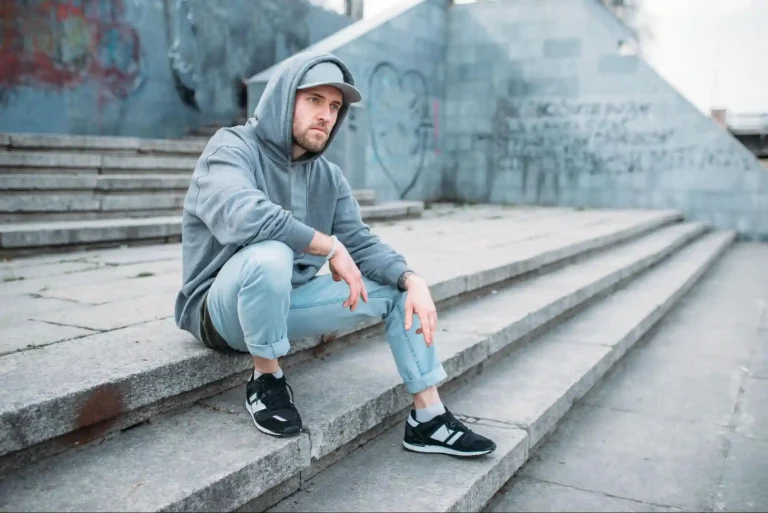
Hoodies and Sweatshirts
Hoodies are among the most essential streetwear pieces.
They combine:
- Practicality
- Warmth
- Casual style
Graphic hoodies often feature:
- Logos
- Artwork
- Brand messaging
- Cultural references
Oversized hoodies remain especially popular in modern urban fashion.
Graphic T-Shirts and Logos
Graphic T-shirts play a major role in streetwear identity.
Designs may include:
- Bold logos
- Album art
- Street art influences
- Political messaging
- Pop culture references
Streetwear often uses clothing as visual communication.
Logo-driven branding became especially important in hype culture.
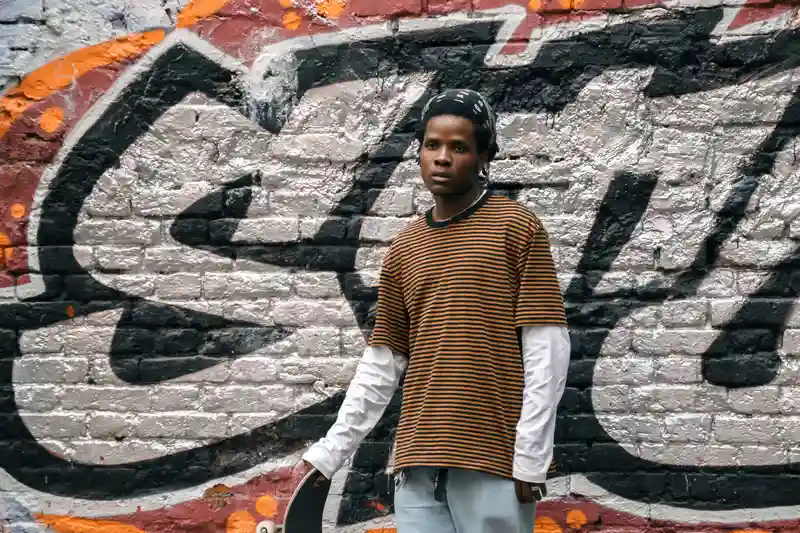
Layering as a Styling Technique
Layering adds complexity and depth to streetwear outfits.
Popular layering combinations include:
- Hoodies under jackets
- Long shirts beneath oversized tees
- Utility vests
- Flannel overshirts
Layering allows:
- Seasonal adaptability
- personalization
- texture contrast
It is one of the most creative aspects of streetwear styling.
Cargo Pants and Utility Fashion
Cargo pants became highly popular in streetwear because they combine:
- Comfort
- Functionality
- urban aesthetics
Utility-inspired clothing often includes:
- Multiple pockets
- Tactical influences
- Durable fabrics
This style reflects the growing influence of military and workwear fashion within streetwear.
Denim in Urban Streetwear
Denim remains an important streetwear staple.
Popular styles include:
- Baggy jeans
- Distressed denim
- Stacked jeans
- Relaxed straight fits
Modern streetwear moved away from extremely skinny fits toward looser silhouettes.
Denim provides versatility within urban styling.
Streetwear Color Palettes
Streetwear color choices vary widely depending on trends and subcultures.
Common palettes include:
- Neutral tones
- Black and white combinations
- Earth tones
- Bold accent colors
Minimalist streetwear often favors muted aesthetics, while hype-driven styles may use louder graphics and colors.
Accessories and Streetwear Identity
Accessories strongly influence urban outfits.
Popular streetwear accessories include:
- Caps
- Beanies
- Chains
- Crossbody bags
- Sunglasses
- Watches
Accessories help personalize otherwise simple clothing combinations.
Small details often define overall streetwear aesthetics.
The Influence of Hip-Hop on Streetwear
Hip-hop culture played a massive role in shaping streetwear globally.
Rappers influenced trends involving:
- Sneakers
- Oversized clothing
- Jewelry
- luxury streetwear
Music videos and celebrity culture accelerated streetwear popularity worldwide.
Many modern fashion trends originated directly from hip-hop communities.
Skateboarding and Streetwear
Skateboarding culture also heavily influenced urban streetwear.
Skaters favored:
- Durable clothing
- Loose fits
- Functional sneakers
Brands connected to skate culture helped define modern streetwear aesthetics.
The relaxed and rebellious identity of skateboarding remains central to streetwear culture today.
Luxury Streetwear and High Fashion
Luxury brands increasingly adopted streetwear influences.
Fashion houses began producing:
- Designer sneakers
- oversized hoodies
- logo-heavy collections
Collaborations between luxury brands and streetwear labels became extremely popular.
This fusion changed the global fashion industry significantly.
Streetwear and Social Media
Social media transformed how fashion trends spread.
Platforms like TikTok and Instagram accelerated:
- Trend cycles
- influencer marketing
- brand visibility
Streetwear became highly connected to digital culture and online identity.
Outfits are often styled specifically for social media presentation.
Gender-Neutral Fashion Influence
Streetwear contributed strongly to the rise of gender-neutral fashion.
Many streetwear pieces feature:
- Relaxed silhouettes
- unisex styling
- flexible fits
This makes streetwear adaptable across different identities and personal styles.
Sustainability and Streetwear
Sustainability became increasingly important in fashion conversations.
Consumers now pay more attention to:
- Ethical manufacturing
- Material quality
- Environmental impact
Some streetwear brands now focus on:
- Recycled materials
- limited production
- slow fashion principles
However, hype culture and fast consumption still create sustainability challenges.
Streetwear and Drop Culture
Many streetwear brands use “drop culture,” releasing products in limited quantities at specific times.
This strategy creates:
- Scarcity
- excitement
- resale demand
Limited releases became a defining feature of modern streetwear economics.
Why Exclusivity Matters in Streetwear
Exclusivity creates:
- Social status
- Community belonging
- collector culture
Rare pieces often become highly valuable in resale markets.
Streetwear consumers frequently value:
- uniqueness
- authenticity
- cultural relevance
more than traditional luxury standards.
Streetwear Photography and Visual Aesthetics
Streetwear culture is strongly connected to visual presentation.
Fashion photography often emphasizes:
- Urban environments
- Street backgrounds
- Natural poses
- Architectural settings
Streetwear aesthetics are deeply tied to city identity and visual storytelling.
The Role of Music and Celebrity Culture
Celebrities continue influencing streetwear trends heavily.
Artists, athletes, and influencers often drive demand for:
- Specific sneakers
- Collaborations
- luxury streetwear brands
Fashion and entertainment industries became closely interconnected through streetwear culture.
Why Comfort Matters in Modern Fashion
One reason streetwear became globally dominant is comfort.
Modern consumers increasingly prioritize:
- Practicality
- movement
- relaxed clothing
Streetwear balances comfort with visual style effectively.
This reflects broader lifestyle shifts toward casual fashion.
Streetwear and Youth Identity
Streetwear remains strongly associated with youth culture.
The style often reflects:
- rebellion
- creativity
- cultural experimentation
Young people frequently use streetwear to communicate identity and social belonging.
The Future of Urban Streetwear
Streetwear continues evolving through influences from:
- Technology
- Gaming culture
- Digital fashion
- Sustainability
- Artificial intelligence
Future trends may involve:
- Virtual clothing
- Smart fabrics
- AI-generated fashion design
However, self-expression will likely remain central to streetwear identity.
FAQs About Urban Streetwear Style
What defines urban streetwear style?
Streetwear combines casual comfort, sneakers, oversized clothing, and cultural influences from music, sports, and youth culture.
Why are sneakers so important in streetwear?
Sneakers function as both fashion statements and cultural status symbols within streetwear communities.
Is streetwear connected to luxury fashion?
Yes. Many luxury brands now collaborate with streetwear labels and incorporate streetwear aesthetics.
Why is oversized clothing common in streetwear?
Oversized fits provide comfort, layering flexibility, and visual identity tied to urban culture.
Is streetwear only for young people?
No. Streetwear appeals to many age groups and continues evolving into mainstream fashion.
Conclusion
Urban streetwear style became one of the most influential fashion movements in the modern world because it combines comfort, creativity, cultural identity, and self-expression in ways that resonate strongly across generations and communities. What began as a subcultural movement connected to skateboarding, hip-hop, and youth culture evolved into a global industry that now shapes mainstream fashion, luxury design, music culture, and digital trends worldwide.
The key elements of streetwear — including:
- Sneakers
- Oversized silhouettes
- Hoodies
- Layering
- Graphic designs
- Accessories
work together to create highly adaptable and visually expressive outfits. Beyond clothing alone, streetwear reflects broader cultural values involving individuality, authenticity, exclusivity, and community belonging.
Social media, celebrity influence, sneaker culture, and luxury collaborations further accelerated the global growth of urban streetwear. At the same time, the movement continues evolving through newer influences such as sustainability, gender-neutral fashion, digital aesthetics, and technology-driven design.
Ultimately, urban streetwear remains important not only because of how it looks, but because of what it represents. It gives people a way to express personality, creativity, and cultural identity while reshaping the future of modern global fashion.