
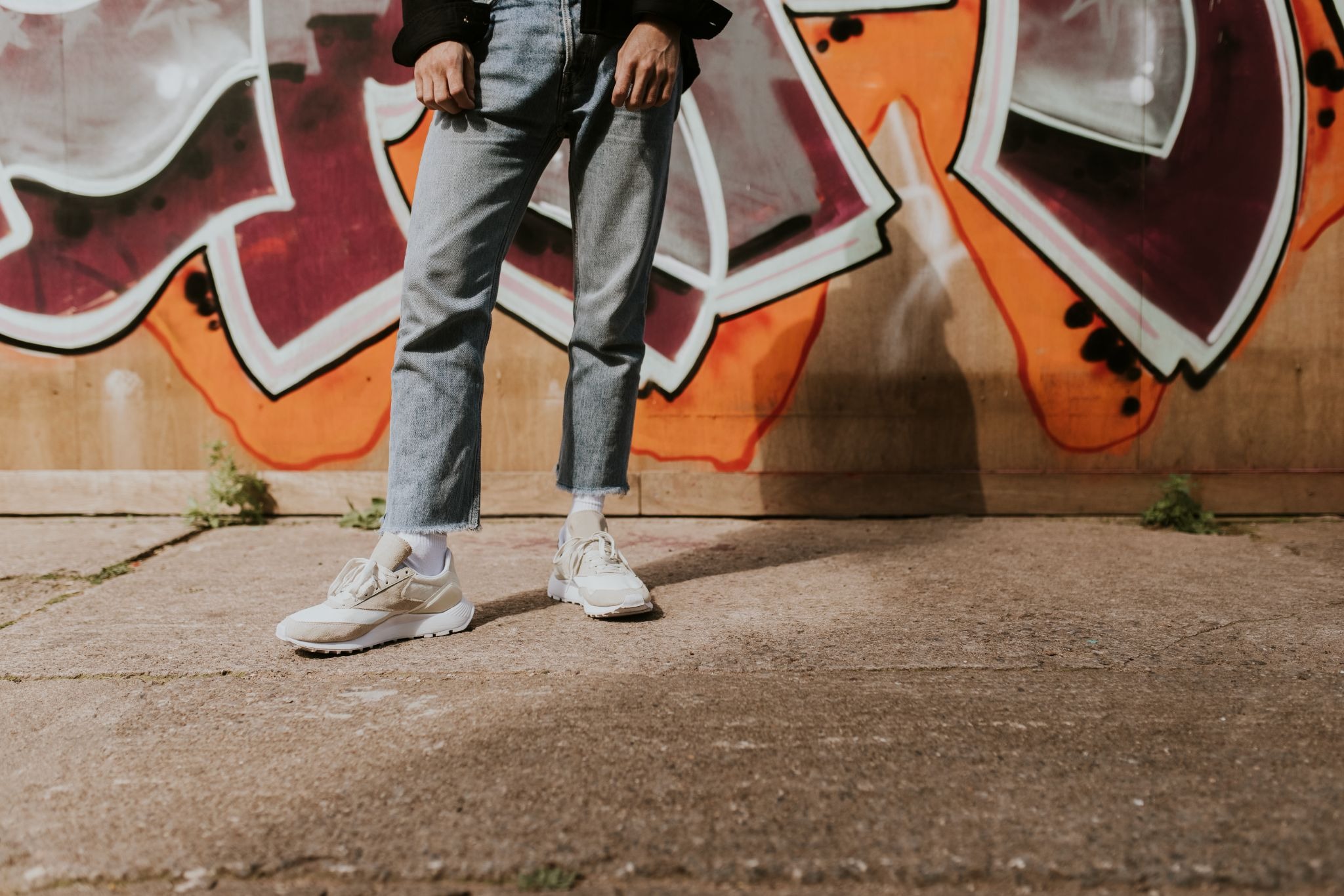
Streetwear is no longer just fashion. It is culture, identity, and a form of self-expression. What started as a niche movement has grown into a global phenomenon, influencing luxury fashion houses, celebrities, and everyday wardrobes. Yet, within this broad category lies a subtle but important distinction that many people overlook. Urban streetwear and regular streetwear are often used interchangeably, but they are not the same. The difference is not always visible at first glance. It is rooted in history, community, attitude, and intention. Understanding this difference allows you to see fashion in a deeper way. It shifts your perspective from simply wearing clothes to understanding what those clothes represent.
The Foundation of Streetwear Culture
Streetwear did not begin in fashion runways. It was born in the streets, shaped by music, art, and youth rebellion. Skateboarding, hip-hop, graffiti, and underground movements played a major role in its evolution. At its core, streetwear is about authenticity. It reflects what people live, feel, and experience. It is not polished or perfect. It thrives on individuality and raw expression. Over time, streetwear expanded. It moved from local communities to global markets. Brands started commercializing it. Influencers and celebrities amplified it. This expansion created different layers within streetwear, leading to the emergence of urban streetwear as a more defined identity.
Defining Urban Streetwear in Today’s Fashion Scene
Urban streetwear is deeply connected to city life and cultural roots. It is not just about clothing but about storytelling. It reflects the realities of urban environments, including diversity, struggle, creativity, and resilience. This style often carries strong influences from hip-hop culture, basketball aesthetics, and inner-city experiences. It uses bold designs, oversized silhouettes, and statement pieces that speak loudly without needing explanation. Urban streetwear is not created just to look good. It is created to represent something. It often communicates social identity, cultural pride, and personal narratives.
Understanding Regular Streetwear as a Broader Category
Regular streetwear is a more generalized and commercialized version of street-inspired fashion. It draws inspiration from the same roots but is not always tied to a specific culture or message. It is often trend-driven. Brands focus on what sells rather than what represents a deeper story. This does not make it inferior, but it does make it different. Regular streetwear is more accessible. It is designed for mass appeal. It blends elements from different subcultures without necessarily belonging to one. This flexibility makes it popular, especially among younger audiences exploring fashion.
Urban Streetwear vs Regular Streetwear: Core Differences
Cultural Depth and Identity
Urban streetwear carries a strong cultural identity. It is closely tied to specific communities and histories. Every piece often has meaning, whether it reflects music, struggle, or social movements. Regular streetwear, on the other hand, is more neutral. It borrows from culture but does not always carry the same depth. It focuses more on aesthetics than storytelling.
Design Language and Aesthetic Choices
Urban streetwear leans toward bold and expressive designs. It often includes oversized fits, graphic prints, and strong color contrasts. The goal is to stand out and make a statement. Regular streetwear tends to balance boldness with simplicity. It includes minimal designs, cleaner lines, and more versatile pieces that can fit into everyday wear without drawing too much attention.
Purpose Behind the Style
Urban streetwear is driven by expression. It reflects identity and often challenges norms. It is not created to please everyone. Regular streetwear is driven by trends. It adapts quickly to what is popular. Its purpose is to appeal to a wider audience and fit into mainstream fashion cycles.
Influence of Commercialization
Urban streetwear remains closer to its roots, even as it evolves. It resists excessive commercialization and maintains a sense of exclusivity and authenticity. Regular streetwear is heavily influenced by the market. It is shaped by consumer demand, seasonal trends, and brand strategies. This makes it more adaptable but sometimes less authentic.
The Role of Music and Pop Culture
Urban streetwear has always been closely linked to music, especially hip-hop. Artists use fashion as a way to express their identity and influence their audience. This connection keeps urban streetwear grounded in real-life experiences. Regular streetwear also draws from pop culture, but in a broader sense. It is influenced by social media trends, celebrities, and viral moments. The connection is more surface-level compared to the deep roots seen in urban streetwear. This difference explains why urban streetwear often feels more personal, while regular streetwear feels more universal.
How Globalization Changed Streetwear Dynamics
As streetwear spread globally, it began to evolve in different ways. Urban streetwear retained its cultural essence, even as it reached new audiences. It adapted without losing its identity. Regular streetwear, however, became more globalized. It blended influences from different cultures, creating a hybrid style that appeals to a wider audience. This globalization blurred the lines between the two, making it harder to distinguish them at times. Yet, the core differences still exist beneath the surface.
The Psychology Behind Choosing Each Style
Fashion is deeply connected to how people see themselves. Choosing between urban streetwear and regular streetwear often reflects personality and mindset. People drawn to urban streetwear usually seek authenticity and self-expression. They want their clothing to say something about who they are and where they come from. Those who prefer regular streetwear often value versatility and comfort. They want style that fits easily into their daily life without requiring a strong statement. Neither choice is better. It simply depends on what you want your fashion to communicate.
FAQs
What is the main difference between urban streetwear and regular streetwear?
The main difference lies in cultural depth. Urban streetwear is rooted in specific communities and carries strong identity and meaning. Regular streetwear is more commercial and trend-driven, designed for wider appeal without always reflecting a deeper cultural story.
Can you mix urban streetwear with regular streetwear?
Yes, blending both styles is common. Many people combine bold urban pieces with simpler streetwear items to create a balanced look. This approach allows for personal expression while maintaining comfort and versatility in everyday outfits.
Is urban streetwear more expensive than regular streetwear?
Not necessarily. While some urban streetwear brands are premium, many affordable options exist. The price often depends on brand positioning and exclusivity rather than the style itself. Regular streetwear also ranges widely in price depending on quality and brand.